

Quick answer
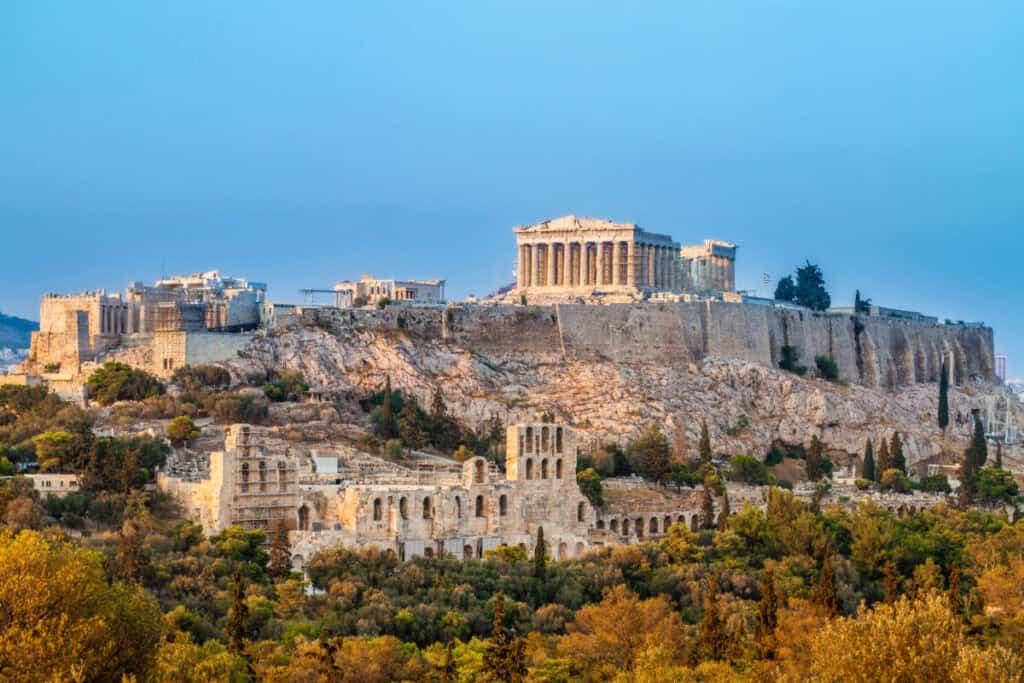
Visiting the Parthenon costs €30 per adult for full admission to the Acropolis archaeological site and slopes. This single ticket grants access to the entire precinct, including the Parthenon, Erechtheion, Temple of Athena Nike, Propylaea, and the Theater of Dionysus. Reduced rates apply to EU students and seniors, while children under 5 enter free year-round.
The Acropolis operates on a unified ticketing system that treats the hillside as one archaeological zone rather than charging separately for individual monuments. Your admission grants access to every structure within the sacred rock's perimeter, from the monumental gateway of the Propylaea to the southern slopes where ancient Athenians gathered for dramatic performances. When considering how much does it cost to visit the Parthenon in Greece, the €30 standard rate reflects maintenance of a UNESCO World Heritage site that receives over three million visitors annually. The Hellenic Ministry of Culture designates specific dates throughout the year when admission is waived entirely: March 6, April 18, May 18, the last weekend of September, October 28, and every first Sunday from November through March. These fee-free days coincide with national commemorations and the European Heritage Days initiative. The ticket's validity extends beyond the Parthenon itself. The southern slope encompasses the Odeon of Herodes Atticus, a Roman-era amphitheater still used for summer performances, and the earlier Theater of Dionysus, birthplace of Greek tragedy. The north slope preserves sanctuaries dedicated to Aphrodite and Eros, while the Acropolis Museum nearby operates under separate admission. Purchase occurs either at the site's entrance or through the official Hellenic ticketing portal, which issues QR-coded confirmations that bypass ticket-counter queues. Athens also offers a combined archaeological pass covering the Acropolis plus six additional classical sites—the Ancient Agora, Roman Agora, Hadrian's Library, Kerameikos, Olympieion, and Aristotle's Lyceum. This multi-site option costs €30 during winter months and €80 in summer, valid for five consecutive days. For visitors planning to explore beyond the sacred rock, the consolidated pass delivers access to the city's most significant ruins under one transaction.
“The unified ticket system treats the Acropolis as one archaeological zone, granting access to every monument from the Propylaea gateway to the Theater of Dionysus on the southern slopes.”
Daily Opening Hours To Visit The Parthenon In Greece
The Parthenon and the wider Acropolis archaeological site maintain a consistent daily schedule throughout the week. Visitors may access the grounds from early morning until evening.
| Monday | 08:00–20:00 | |
|---|---|---|
| Tuesday | 08:00–20:00 | |
| Wednesday | 08:00–20:00 | |
| Thursday | 08:00–20:00 | |
| Friday | 08:00–20:00 | |
| Saturday | 08:00–20:00 | |
| Sunday | 08:00–20:00 |
Best Time Of Day To Visit The Parthenon In Greece
The best arrival window for the Parthenon is 08:00–10:00 to mitigate peak heat and visitor density. Arriving at the gates early allows you to experience the site before the largest tour groups arrive and temperatures reach their daily peak.
Weekday mornings
Lowest visitor density—
Plan your arrival for the 08:00–10:00 window to experience the site with fewer people. This timing effectively avoids both the midday sun and peak congestion periods.
April and May
Moderate visitor densityMild temperatures, 15°C to 24°C
Spring offers comfortable conditions for walking the slopes and viewing the architecture. These months precede the intense heat of the summer months.
September and October
Moderate visitor densityWarm, pleasant temperatures, 18°C to 27°C
These months provide a reprieve from peak summer temperatures while maintaining favorable conditions. Early entry remains critical for managing comfort and crowds.
Verdict: The most effective strategy is arriving between 08:00–10:00 during the shoulder months of April, May, September, or October.
How To Get To The Parthenon In Greece
The Parthenon is located at Athens 105 58, Greece, situated atop the Acropolis hill. The most efficient way to reach the site is via the Athens Metro system.
Line 2 (Red Line) to Acropoli Station
Walk from Acropoli Station through Dionysiou Areopagitou street
Drop-off at the base of the Acropolis pedestrian walkway
Pre-Visit Checklist For Those Asking How Much Does It Cost To Visit The Parthenon In Greece
Confirm these requirements before you travel to ensure smooth entry to the Acropolis archaeological site.
-
Book your ticket online in advance — The site uses timed entry and sells out during peak season.
-
Bring valid photo identification — Required to match the name on your booking confirmation.
-
Arrive during the 08:00–10:00 window — Entry is tied to your selected time slot and crowds build quickly after.
-
Wear closed-toe shoes with grip — The marble surfaces and ancient steps are polished smooth and can be slippery.
-
Carry sun protection and water — The site offers no shade and temperatures exceed 35°C in summer.
-
Download your ticket to your phone — You'll need to present the QR code at the entrance turnstiles.
Check availability
Parthenon Visitor FAQs: Costs, Logistics, and Planning
Everything you need to know about how much does it cost to visit the parthenon in greece